

Herceg Novi approaches the Adriatic Sea differently from many coastal destinations. Rather than centring around a single, expansive beach, the town offers a sequence of varied swimming areas shaped by geography, history, and changing attitudes toward coastal use. Beaches here are not isolated attractions but extensions of promenades and the areas and neighbourhoods of Herceg Novi, shaped by geography and development patterns.
Understanding Herceg Novi’s beaches requires understanding how the town developed. From medieval fortifications perched above the harbour to 20th-century health tourism along flatter coastlines, access to the sea evolved alongside political priorities and social change. This guide explores Herceg Novi’s beaches by area, reflecting how and why each stretch of coastline took its present form.
Understanding Herceg Novi’s Coastline
Herceg Novi sits at the narrow entrance to the Bay of Kotor, where steep hills descend sharply toward the sea. This geography limited the development of long natural beaches near the historic centre, particularly during the town’s early centuries as a fortified settlement.
Until the 19th century, direct access to the sea was secondary to defence. Coastal edges were shaped by walls, bastions, and working harbours rather than leisure. It was only with the decline of military importance and the rise of tourism—especially in the 20th century—that beaches became an integral part of the town’s identity.
As a result, Herceg Novi’s beaches are diverse. They include sandy and pebble beaches, shallow family-friendly areas, concrete bathing platforms, and informal swimming access points along the promenade. Rather than seeking one “main beach,” visitors experience the coastline as a continuous sequence of smaller, distinct zones.
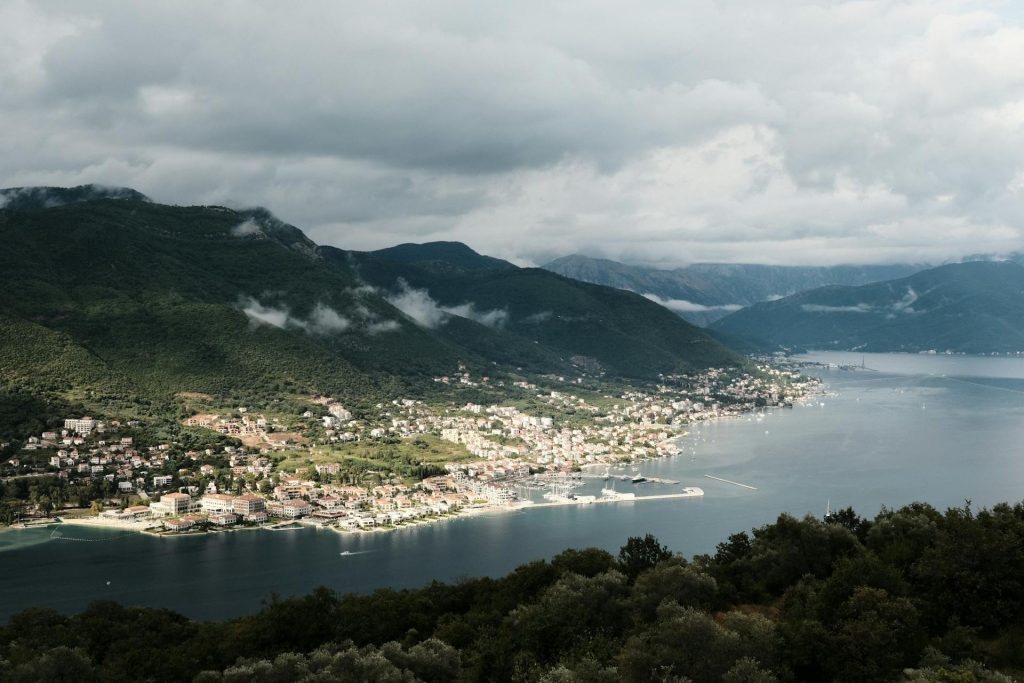
Igalo: The Centre of Beach and Health Tourism
Igalo represents the most significant shift in Herceg Novi’s relationship with the sea. Located west of the historic centre, it developed primarily in the 20th century as the town embraced health tourism and seaside recreation.
Igalo Beach
Igalo Beach is the largest and most recognisable beach area in the municipality. Unlike the steep terrain near the Old Town, Igalo’s coastline is flat, allowing for the development of long, accessible beach zones.
The beach features a mix of sand and fine pebbles, with shallow water extending well offshore. These conditions make it particularly suitable for families with children, older visitors, and those seeking low-impact swimming. Igalo Beach has long been associated with therapeutic use, reflecting the area’s history as a centre for rehabilitation and wellness.
Galeb Beach and Rafaello Beach
Adjacent to the main beach are smaller, organised sections such as Galeb Beach and Rafaello Beach. These beaches combine natural shoreline with managed facilities, including sunbeds, shaded areas, and nearby cafes.
Their proximity to hotels and the seaside promenade makes them popular for longer stays, particularly during peak summer months. Historically, these beaches developed alongside the expansion of accommodation and medical facilities after World War II.
Health Tourism Legacy
Igalo’s beach culture cannot be separated from its role as a health destination. The establishment of the Igalo Institute in 1949 positioned the area as one of the leading rehabilitation centres in socialist Yugoslavia. Sea bathing, mineral mud, and coastal climate were all integrated into therapeutic programmes, shaping how beaches were designed and used.
Today, while leisure tourism dominates, this legacy remains visible in the area’s infrastructure and emphasis on accessibility.
The Promenade and Town Beaches: Urban Swimming Culture
Closer to the historic centre, Herceg Novi’s relationship with the sea takes a different form. Rather than wide beaches, the coastline here is defined by stone edges, small platforms, and direct access points integrated into daily urban life.
Seaside Swimming Along the Šetalište
The seaside promenade connects the Old Town with Topla and Igalo, functioning as both a pedestrian route and a swimming corridor. Along this stretch, locals and visitors alike access the sea via ladders, steps, and small concrete piers.
This form of swimming reflects older Adriatic traditions, where the sea was approached as part of everyday life rather than as a dedicated resort space. While less suited to families with young children, these access points are popular with confident swimmers seeking clear water and proximity to cafes and public spaces.
Harbour-Adjacent Swimming Areas
Near the Old Town harbour and beneath Forte Mare Fortress, small bathing areas allow swimmers to enter the sea within sight of medieval walls. These locations offer a unique experience, combining historic scenery with direct contact with the water.
Though limited in size, such spots emphasise how Herceg Novi’s beaches are woven into the fabric of the town rather than set apart from it.
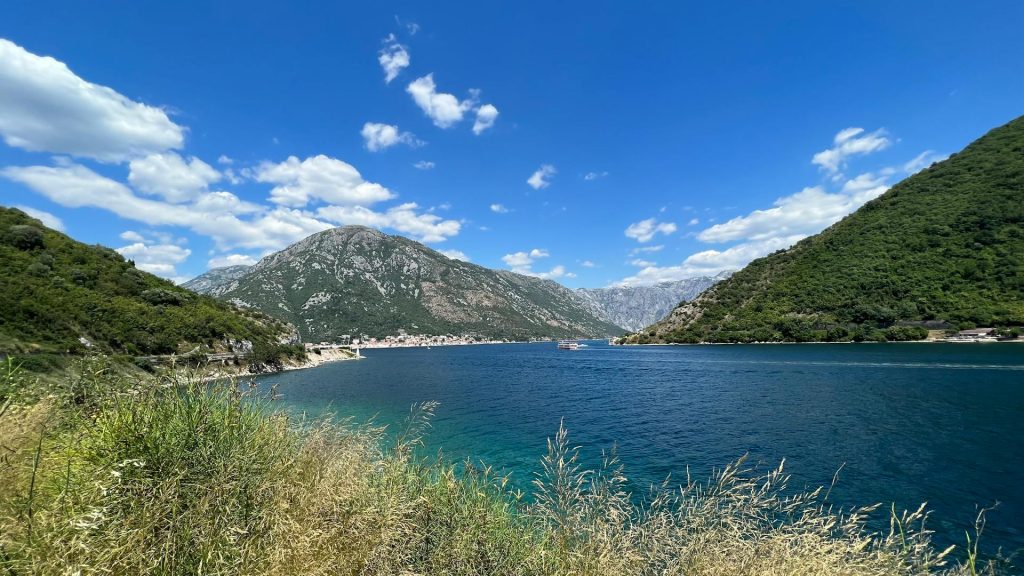
Savina and the Eastern Coast: Quieter Shorelines
East of the Old Town lies Savina, an area characterised by religious heritage, greenery, and restrained coastal development.
Savina Beaches
The coastline near Savina Monastery features small pebble beaches and rocky access points set against a backdrop of cypress trees and historic buildings. These beaches are less organised than those in Igalo, offering a quieter atmosphere and clearer water.
Historically, Savina developed more slowly than other parts of the town, reflecting the history of Herceg Novi as a fortified settlement shaped by military and administrative priorities. During the Austro-Hungarian period, villas and religious institutions shaped the area, limiting large-scale tourism development. As a result, its beaches remain relatively calm even during high season.
Coastal Walks and Swimming
Paths along the Savina coast encourage exploration on foot, forming part of the wider range of things to do in Herceg Novi, with intermittent swimming spots accessible from the shore. These areas appeal to visitors seeking a balance between cultural exploration and relaxed time by the sea.
Meljine: Transitional Beaches and Maritime Access
Meljine occupies a transitional zone between Herceg Novi and the wider Bay of Kotor coastline.
Meljine Beach
Meljine Beach is a modest pebble beach located near maritime and transport infrastructure. Historically associated with naval and logistical activity during the Austro-Hungarian period, the area later adapted to civilian and recreational use.
While not a primary beach destination, Meljine offers practical access to the sea and proximity to ferry connections, making it convenient for visitors combining swimming with travel.
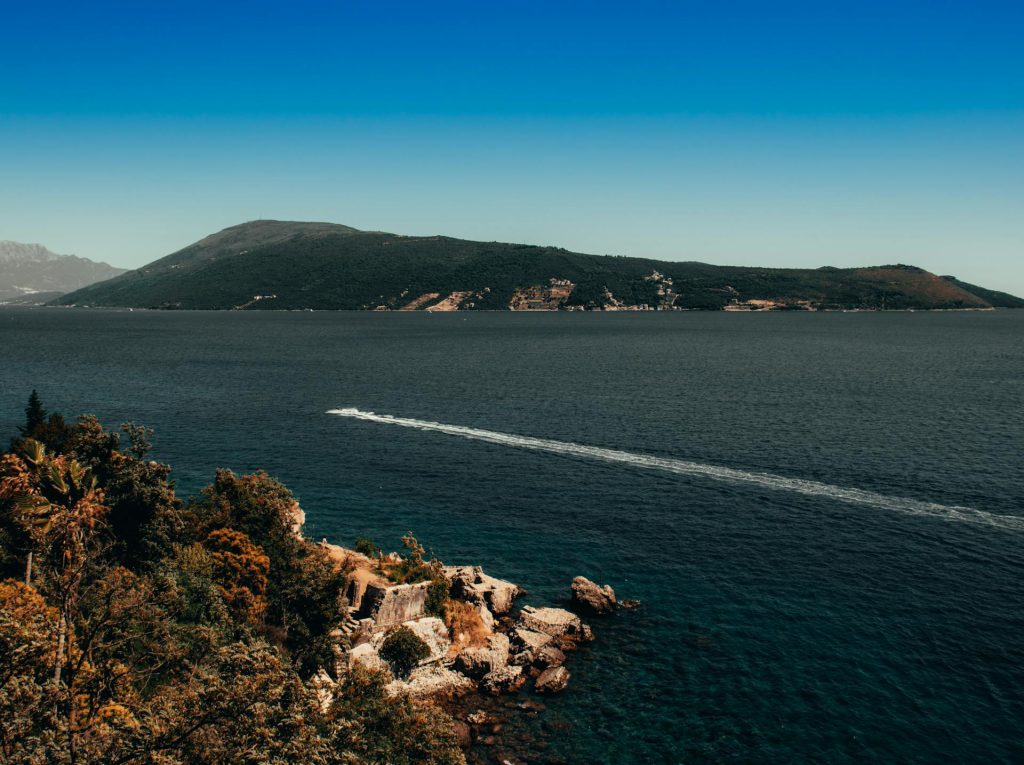
Western Coastal Villages: Baošići and Đenovići
Beyond Igalo, Herceg Novi’s municipality extends westward through a series of coastal villages that retain a quieter, more residential character.
Baošići Beaches
Baošići features a long pebble shoreline with small, locally managed beach areas. Historically a fishing village, Baošići experienced gradual development in the late 20th century, resulting in low-rise accommodation and a relaxed coastal atmosphere.
Its beaches are well suited to longer stays and visitors seeking distance from the town centre without sacrificing access to amenities.
Đenovići and Marina Development
Đenovići has undergone more visible transformation due to marina development. While modern infrastructure has altered parts of the coastline, beaches remain accessible and generally less crowded than those closer to Herceg Novi’s centre.
Đenovići appeals to visitors combining swimming with boating and regional exploration.
Day Trips and Boat-Accessible Beaches
Herceg Novi’s position at the entrance to the Bay of Kotor makes it an ideal base for exploring coastal areas that are difficult or impossible to reach by road. Boat travel has historically played a central role in movement across the bay, and today it remains one of the most effective ways to access secluded beaches, islands, and neighbouring towns.
From the harbour below the Old Town and along the promenade, regular boat excursions operate during the warmer months, connecting Herceg Novi with both open Adriatic coastline and sheltered bay destinations.
Luštica Peninsula and the Blue Cave
Boat trips from Herceg Novi most commonly head toward the Luštica Peninsula, a largely undeveloped stretch of coastline opposite the town. Historically sparsely populated and used primarily for agriculture and military installations, Luštica remains one of the least urbanised coastal areas in Montenegro.
The peninsula’s shoreline is defined by rocky cliffs, small coves, and deep clear water, creating ideal conditions for swimming and snorkelling. Many of its beaches are accessible only by boat, preserving a sense of isolation even during peak summer months.
One of the most visited sites along this coast is the Blue Cave, located near the open Adriatic side of Luštica. The cave is known for its intense blue light effect, produced when sunlight enters through submerged openings and reflects off the white seabed. Swimming inside the cave is weather-dependent, but it remains one of the region’s most distinctive natural features.
Mamula Island: Military History and Coastal Access
Many boat routes also include a stop at Mamula Island, located at the narrow entrance to the Bay of Kotor. The island is dominated by a 19th-century Austro-Hungarian fortress, constructed in 1853 as part of a defensive network controlling maritime access to the bay.
While Mamula is best known for its historical significance, its surrounding waters are popular for swimming due to their depth and clarity. Boat visitors typically swim from designated access points around the island rather than traditional beaches, offering a unique experience that combines history and open-water swimming.
Exploring the Inner Bay: Perast and Kotor
Boat travel from Herceg Novi also provides access to towns deeper within the Bay of Kotor, including Perast and Kotor. These destinations are less focused on beaches but offer important cultural and architectural contrasts.
Perast, a former maritime centre, is known for its baroque palaces and proximity to the Our Lady of the Rocks. Swimming here typically takes place from stone jetties and small waterfront access points rather than formal beaches.
Kotor, located at the far end of the bay, offers limited swimming near the Old Town but provides significant historical interest, particularly its medieval walls and urban layout. Visiting Kotor by boat allows travellers to experience the bay as a continuous maritime landscape rather than a series of disconnected town
A Different Perspective on the Adriatic
Boat-accessible beaches and coastal sites reveal a side of the Adriatic that contrasts sharply with Herceg Novi’s organised beach zones. These excursions emphasise natural formations, historical fortifications, and open water rather than structured facilities and amenities.
For visitors, combining land-based beaches with boat travel provides a fuller understanding of the region’s geography and history. It reinforces Herceg Novi’s long-standing role as a maritime gateway and highlights how movement by sea continues to shape the experience of the Bay of Kotor today.
Practical Considerations for Beachgoers
Beach Types and Access
Herceg Novi’s beaches reflect the town’s varied coastline and history of development. Sandy and gently sloping beaches are concentrated in Igalo, where flatter terrain allowed for purpose-built seaside areas during the 20th century. Elsewhere, particularly along the promenade, Savina, and the eastern coast, access to the sea is more direct and often rocky, with ladders or stone steps leading into deeper water.
Visitors should expect a mix of pebbles, concrete bathing platforms, and natural rock formations rather than long natural sand beaches. Water shoes are strongly recommended, especially outside organised beach zones, as they improve comfort and safety when entering the sea and walking along the shoreline. Confident swimmers will appreciate the clarity and depth of water in these areas, while families may prefer designated beach sections with gradual entry.
Seasonality
The main swimming season in Herceg Novi typically runs from late May through September, with sea temperatures rising steadily through early summer. July and August offer the warmest water and longest days but also bring higher visitor numbers, particularly to Igalo and central promenade beaches.
Late May, June, and September are often considered the most balanced periods for swimming. During these months, water temperatures remain comfortable, crowds are thinner, and access to smaller beaches is easier. Spring and early autumn also provide clearer water in less frequented areas, making them ideal for swimming combined with walking or boat excursions.
Outside peak summer, some organised beaches reduce services, but informal swimming spots remain accessible year-round for those accustomed to cooler water.
Facilities and Shade
Facilities vary significantly depending on location. Organised beaches, especially in Igalo and near major hotels, typically offer sunbeds, umbrellas, showers, and nearby cafes or restaurants. These areas are convenient for longer beach days and visitors seeking comfort and amenities.
Smaller beaches and promenade access points often lack formal facilities. Shade may be limited to natural features such as trees, stone walls, or nearby buildings. Visitors planning to explore quieter or less developed beaches should bring their own shade, water, and basic supplies, particularly during summer heat.
Cafes and beach bars are common along the promenade, allowing swimmers to combine short swims with breaks for refreshments. This flexible approach to beach use reflects local habits and encourages movement between different coastal spots rather than staying in one place all day.
Beaches as Part of Herceg Novi’s Identity
Beaches in Herceg Novi are not isolated attractions but reflections of the town’s layered history. From medieval defence to Austro-Hungarian modernisation and Yugoslav health tourism, each phase shaped how the coastline was used and accessed.
Rather than offering a single iconic beach, Herceg Novi provides variety and movement. Swimming here is as much about location and atmosphere as it is about the water itself. Exploring the town’s beaches allows visitors to experience Herceg Novi as a living coastal settlement, where history, geography, and everyday life meet at the shoreline.
As Herceg Novi Directory continues to expand, this guide will serve as the foundation for detailed beach profiles, seasonal recommendations, and practical planning tools, helping visitors choose the right stretch of coast for their interests and travel style.
